How do stories like God killing someone make you feel? Queezy? Sad? God has a lesson for us in how we are to treat him.

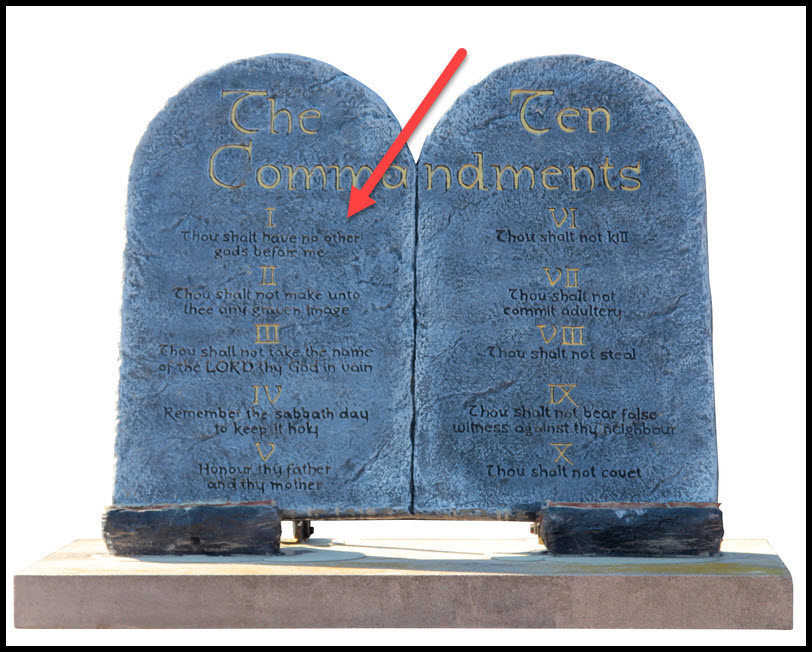
1chron 10 to 13 no other goda

1Chron 10-13  These chapters begin and end in the same way: The Lord killed.

The scripture is plain and clear; death is the enemy we all face once and after that the judgment. Thus the sadness of that statement is overwhelming because of the stench of death is what we avoid. We euphemisms like one has passed, gone to a better place and others, but God simply says He killed.  Do you have trouble wrapping your mind around that statement? Like the world, we fail to realize that God is holy and He is the author of life and death.

Why does God kill someone? 

God killed Saul for his unfaithfulness and God killed Uzzah for the same reason. God is jealous and He is holy and we are to treat him as such. Both Saul and Uzzah treated God carelessly. Because Saul failed to listen to the prophet Samuel and failed to listen to God, God eventually quit listening to Saul. In the end, God finally killed him because Saul’s attitude was irreverent.  Because Uzzah had perhaps come too comfortable with the Ark in his home, he failed to remember that the Ark was the very presence of God. When he reached up to touch the Ark, his irreverence was revealed and God killed him.

Do these two stories cause you to be uncomfortable?

Perhaps it is because we, like Uzzah or Saul, have become too comfortable with God.

From Beauty to Ashes

1Chron 9  Yesterday, the world watched as Notre Dame Cathedral, an international treasure burned. The pictures were sent around the world and we watched with tears. Centuries before another international treasure burned, God’s holy Temple. However, in God’s graciousness, the Judahites taken captive by King Nebuchadnezzar never saw the Temple burned.  The loss of both is/was great; never to be replicated again.

Notre Dame 4.15.19.ajpg

The Chronicler tells us simply the people of Judah were carried away to Babylon because of their unfaithfulness. This took place to fulfill the Lord’s message spoken through Jeremiah and lasted until the land experienced its sabbatical years.  All the time of its desolation the land rested in order to fulfill the seventy years. [2Ch 36:21] This is another point of His grace; the land lay resting and no enemies conquered it. Under Cyrus, the Judahites returned and rebuilt. Ezra, the priest, records that many of those who returned wept at their memory of the former temple as they stood to honor the new temple because it was only a shadow of Solomon’s former temple.

In the 16th century some Huguenots damaged Notre Dame’s statues they considered idolatrous and in 1793 removed and decapitated statues. Yesterday’s fire by far is the worst the grand lady has experienced. So too God’s holy Temple was desecrated by King Nebuchadnezzar and later the new Temple by the Romans.

Buildings may be desecrated and lost but the church is not a building. The church is the people of God who have been born again because of one day long ago: Easter or Resurrection Morning. Satan’s plans were thwarted because of that day and no power or natural events can destroy it. Victory came because of the death of our Savior. Believers are the Temple of God.


Lessons from Jabez

Are you a complainer? Do you want “stuff” but don’t have it? Perhaps this lesson from Jabez might teach us all a practical lesson in trust, belief, and faith.

1Chronicles 4 “Lessons from Jabez”

“you don’t have because you don’t ask; you ask and don’t receive because you ask wrongly” [James 4] but Jabez did ask and asked correctly. And God was pleased! God answered. Let’s see why:

1chron 4 jabez2a

Our story begins in the birth canal where Jabez struggled to come forth. It seems that Mother recorded that fact or reminded him of it throughout his life. Of all the men listed in this lengthy genealogical record, only Jabez is given the honor of his life’s story in a nutshell. It is as if the Chronicler wants us to note him. Jabez was “more honorable than his brothers.” He believed he could ask God all things and God would answer. That is true faith. Jabez was a God-fearer-worshiper. While others were busy with idols he was busy talking to God.

Jabez began: “if  you…” He simply told God that he wanted believing God would hear and answer. He precisely noted what that blessing would entail and included simply, protect me. For some reason he wanted or sensed he needed a hedge of protection and that he might not endure pain. That closes the circle from Mother’s words; I brought you forth in pain.

So why did the Chronicler insert these two verses? Could it be that too many of us are busy “working” our way to heaven rather than just seeking God who is generous giving His perfect gifts to those who believe Him.

Take a lesson from Jabez. Simply be bold and ask God to bless you.


Parenting Tough Kids

If you have raised a godly child, consider yourself blessed. Do you know of a parent that needs some godly counsel? Why not disciple them?

2kings 20 dads sonsa

2Kings 20-24  Although Hezekiah was a good king, he was not a faithful father. His son Manasseh was the worst of the worst! The Chronicle writer tells us however that after being captured by the Babylonians, he repented and God returned him to his homeland. His story is just what is needed when you face a hardened sinner who has done just about the worst sin you can think of and feels that there is no hope for him/her. Tuck that away for such a time as that. Manasseh is the story of us all: sinners saved by His grace.

Manasseh’s son Amon followed in his footsteps but never repented.  Manasseh’s grandson Josiah was the model king; faithful, obedient and godly. He obeyed the Law to the letter, cleansing and rebuilding the Temple. He cleansed the land and its people. God blessed him in many ways. Yet, as godly as he was, his son Jehoahaz returned to the ways of his grandfather and uncle.

There are some lessons here for parents who are discouraged because of their children’s choices. God was gracious to Josiah that he never saw the ultimate rebelliousness of his son. Sometimes that happens to us as well. Even when you raise them correctly, children make choices; some good and some bad. Tuck that lesson away when you are facing an uphill battle.

Parenting is the toughest job given to a person. We need to remember that and pray and disciple these young parents.   Come alongside them; encourage them; listen to them.

Who is in your life that you need to disciple?

Missing a Golden Opportunity

2kings 18 to 20 god tests our heart2a2Kings 18 – 20  If truth be known, boasting comes rather easily to us. The prophet Jeremiah said this:

“If people want to boast, they should boast about this: They should boast that they understand and know me. They should boast that they know and understand that I, the Lord, act out of faithfulness, fairness, and justice in the earth and that I desire people to do these things,” says the Lord”

Let’s see if Hezekiah passed that test and then check ourselves as well.

It seems that no matter how good, how powerful, how majestic God is, men vacillate between being faithful and unfaithful. An enemy surfaces and men capitulate and surrender failing to realize that God can and will drive them out. So it was with Hezekiah first time around. He saw the kingdom of Israel right next door surrender and taken captive to the land of Assyria yet he did not learn from that error of judgment. Instead when faced with the same scenario, used bribery instead of prayer. Having been successful, Assyria escalated the demand expecting the same result but this time Hezekiah submitted not to him but to God. God routed the enemy and peace returned because Hezekiah turned to God. If only we would learn the first time around.

Next Hezekiah is sick unto death and he prays for healing and God restores him to full health. But, then another enemy, Babylon comes knocking. Hezekiah misses an opportunity to share the power of God. Instead, Hezekiah shares his wealth. The Chronicle writer notes that God left Hezekiah alone when they came to “test what was in his heart.” Hezekiah missed a golden opportunity to share the power of God to heal.  It wasn’t his wealth that made him whole but God!

How many golden opportunities have we missed?  

Today, stop, use every opportunity to share Christ.  

The Next Generation Needs YOU!

2Kings 15 to 17  & Prov 1:4 “Fathers Listen Up”

2kings 15 to 17 and prov 1 pay attention2aA godly family does not just happen; it takes work. If we look back we see the failures of fathers like Eli, Samuel-a prophet yet had ungodly sons; David who did not confront sin and Solomon as wise but did not practice application.  Now in this set of chapters we see men who were given the privilege of raising sons and future kings yet failed miserably. It is heartbreaking as you read king after king fails to raise godly leaders of their homes; the nation and the church. It is into that heartbreaking scene we read these words “they did not pay attention.” And again they worshiped the Lord “AND” at the same time served idols.

So the question before us is how can that cycle be broken?  Men, (women too) here’s our challenge straight from Proverbs. If a man (or woman too) wants to know how to raise godly children who will be leaders, you must start at the foundational level. The book of Proverbs is given to impart shrewdness to the morally naïve; a discerning plan to the young person. Shrewdness is that quality that means you are sagacious; having or showing keen mental discernment and good judgment. Discernment is the ability to judge well especially with a view of obtaining spiritual guidance and understanding.

How does one accomplish this? By reading, meditating and practicing what the Word of God says. It is not too late. We must be training up the next generation and it starts with us.

May it not be said of us that we “didn’t pay attention.”


The Power of Salt

How often do we fall for the line that “no one cares what I do.” We think our acts and deeds are not being noted. Is that a true statement? In what chapter and verse did you find that? This is what we call the “oh me” syndrome. Beware of that, it is one of Satan’s traps. God has a thing or two to say about that.

2kings 11 salt2a2Kings 11  An author recently wrote about and challenged each of his readers to be “salt” in the earth. In another article, an author said there is always a remnant that God saves.  A remnant is that salt, that preservative for godliness. In chapter 11 amidst all of the evil Queen Athaliah could muster there are three individuals who remained pure and holy. They are the salt; they are the remnant that God has preserved. We know nothing of Jehosheba other than she is the sister of the wicked King Ahaziah, recently deceased. She took his son and hid him—not for just a day or two but seven years!  The second person is Ahaziah’s son’s nurse. We know nothing about her other than her vocation. Then there is the faithful high priest Jehoiada, salt in the midst of ungodliness.  God has preserved this story to show that even in the midst of the worst kind of evil, God can and will use us for righteousness.

Jehosheba was used by God to hide the little child king, Joash from the wicked queen. The unnamed nurse raised Joash and the high priest Jehoiada, may have taught the young child king the Torah. All of these worked behind the scenes for seven years without Athaliah knowing.

Do you feel like all you are doing is not important? Listen to the words of the psalmist: I would rather be a doorkeeper in the house of my God than dwell in the tents of the wicked. A doorkeeper is unknown except to God yet is the salt and the remnant God preserves.

The Sin of Unbelief & the Rewards of Belief

2Kings 7 to 10  There are two kinds of people in this world; they either believe what is recorded in the Bible or they don’t believe. You can’t mix in those people who say they believe some of it. Those are still unbelievers. They have one thing in common; they see the evidence but cling to their unbelief. They are those who Paul names as the “excusers.” They look for excuses to not believe even when the evidence is before them. God has no mercy on those and at death, they will join the Luke 16 rich man in torments. It saddens me, how about you?

So what does have to do with today’s reading? The story begins and ends with a man who scoffed at Elisha’s prophecy of the salvation of a city. Lepers find the coats and armor and horses of the enemy left behind; go to the city to report it but the king surmises a ploy. He sends horses and men to check it out and the city is saved. In the end, the scoffer was trampled and died just as Elisha said he would because of his unbelief.

Is there any hope? Yes! God gives us a ray of sunshine in the Shunammite woman who obeyed Elisha, leaving her home to reside in Philistine territory during the famine. After the famine, she returns home to claim her land. In the palace Elisha’s servant, Gehazi just happened to be in the presence of the king and verified her story. The king returned her land and the profit of it during the years she was gone.

Both stories reveal the principle of belief vs unbelief and the rewards or consequences of each. Where do you fit in? 2kings 7 to 10 unbelief

The Rewards of Faithfulness

2Kings 2  The story of Elijah’s swift departure from earth to heaven has been a favorite. There are many over the years that have painted this episode in the life of Elijah and told it and dramatized it to children in Sunday School. We need to remember that Elijah was a man just like you. Behind Elijah is God’s power, the power that comes from being a prayer warrior as the effective measure of God’s blessing.

And then there is Elisha, the man who wanted a double portion of Elijah’s power. Elisha wanted the blessing of the ministry that God has placed upon Elijah and God answered his request in a most unusual way. Perhaps you too have seen the power of another’s ministry and wished you could have that same power.  With that power comes the demands upon one’s life, the tests that will come to pass yet Elisha persevered and God blessed that request.

Is there someone anointed by God in such a powerful way you wish you could have even a thimbleful of that amazing anointing? James reminds us we don’t have because we don’t ask or ask amiss. Are you ready for God to anoint you with the blessing that Elijah had? Be ye faithful as he was always abounding in the work of the Lord. God is waiting for you to ask “Where is the Lord, The God of Elijah?” 2kings 2 aaron burden2a


Optimized by Optimole