Do Not Delay…

 Psalm 32: The Blessed Man

Sin or wrongdoing is a part of our everyday life. We sin because our first parents sinned, and just like our DNA is passed on, so is our sin. God knows we are but men made of clay. [Ps 103:14] It is because of God’s love that we are forgiven, and our sin is washed away. However, there is a warning here in this chapter. When we refuse to acknowledge our sin it affects our whole body. [Ps 32:3] When that happens, God sends us His discipline because He wants us back in a right relationship with Him.

The psalmist reminds the reader that we should pray and seek God’s forgiveness “while there a window of opportunity.” [Ps 32:6]  The psalmist is warning the reader of this truth; if we delay in seeking His forgiveness, He might remove that opportunity. If that is your case, do not delay, get right with God now. Stop saying tomorrow but say today, I will seek the favor of God and seek His cleansing. Then you will be blessed just as the man in Psalm 1 is! He is blessed because he delights in the law of the Lord, and he meditates on it day and night.

Where are you precious reader?

The Patience of God

Judges 10 There is a pattern that becomes very evident in this book, and it is what we read in Judges 10:10 “The Israelites cried out for help to the Lord: “We have sinned against you. We abandoned our God and worshiped the Baals.” How many times does a nation have to walk the same route to get the message that God is God and He will not share his glory with another? And yet: “When the righteous cry for help, the Lord hears and delivers them out of all their troubles. “ [Ps 34:17]

Judges 9-12 reveals that, once again, the nation started out correctly but soon diminished into chaos and idolatry. It is then that they come back to God in tears and repentance. When the judge died, and the people are left without a godly leader they revert back to idolatry. The patience of God is remarkable; He allows us to wallow in the mire but is ready to forgive and reinstate us to a higher state. God has placed these chapters here for a reason so that we might learn and apply biblical principles to our lives.

What lessons is God teaching you as you read this book?

The Proper Response

respond with grace

Numbers 16 Envy, resentful longing for what you don’t have, is one of the ‘dark’ sins, one of the “deadly d’s.” It is like an infection. If not treated, it spreads from one person to another, and Peter warns us about it. [1Pet 2:1] It begins with a thought, and then the idea is enlarged by adding other innuendos. Such is the plan of our arch-enemy, whose whole purpose is to seek, kill and destroy. [Jn 10:10]

As a Levite, Korah was privileged to assist in the Tabernacle service with Aaron as the High Priest. He had seen the power of God over and over, but an envious thought began in his mind. Why does this person think he should be the leader? I am just as important. Envy is a deadly sin, and it begins like one germ but multiplies by gaining affirmation from others. Never underestimate the power of envy. As it increases, so do our thoughts and ideas, and sadly, we often include others in our path of infection. Moses was aghast when Korah confronted him. Yet, rather than responding angrily, Moses fell face down and pleaded with God for Korah’s forgiveness. Is this our response?

How do you face this type of sin from others? Do you vent and seek a following like Korah, OR do you ask God for their forgiveness like Moses?

Purity and Righteousness

Be holy

Lev 16-18 Two principles reign supreme: the life is in the blood, [Lev 17:14], so do not partake of the blood of any animal. Secondly, do not celebrate what God calls abominable. [Lev 18:2-4]

Over and over, God speaks to holiness and righteousness to His people. They were to be a holy people, set apart for Him. They were going to the Promised Land, which at this time was polluted by the abominable sins of the people living there, which He lists so there is no excuse for not knowing, which reminds us of Rom. 1:20 “they are without excuse.” God is specific about the very sins He calls perversions because they taint the purity and righteousness He not only desires but demands.

Why is God so definitive? Because He wants a people to be holy as He is holy. Where am I not pure and need to offer my prayers for forgiveness?

Forgiveness – Man’s Greatest Need

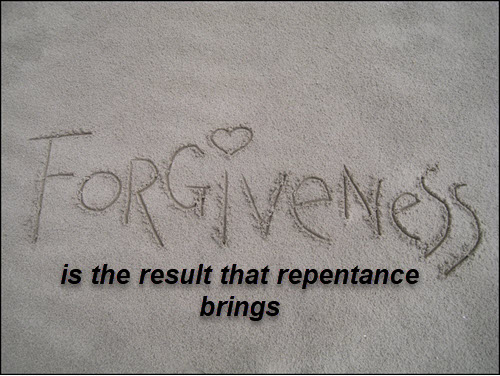
Forgiveness ..man's greatest need

Gen 41-42 God can and will use many things to bring about His plan, even a famine. Yet, in all that, we see God’s grace behind the scenes. Even today, we see the effect of sin in the lives of many, yet God’s grace and His forgiveness are revealed as His Word is presented so that they may repent and be restored.

In Joseph’s story, we can see the truth that God causes all things to happen to prove that He plans not to harm us but to give us a future filled with hope. [Jer 29:11]  Imagine the brothers who stand before him, not knowing it was their long-lost brother. When questioned, they say, “we are honest men.” Ummm nope! 🙁 They are not, but God will use these circumstances to change them to be the men who will fulfill the promise of God to Abraham. “The families of the earth will receive a blessing through you.” [Gen 12:3]

When you look back over your life, can you see the hand of God testing and proving you? Can you give Him the glory that He chose you in eternity past and predestined you according to His good pleasure? [Eph 1:4]

The Avoidance Technique

First repent

Gen 38 Jacob’s son Judah recalls his part in selling Joseph to Ishmaelite traders, and every time he was in the presence of Jacob, he remembered his part but failed to acknowledge it. Unconfessed sin tears at our hearts, and if we fail to acknowledge it, we seek ways to avoid it, which is what Judah did.

He left home and family to stay with a pagan named Hirah. Hirah was no friend, but when we in sin, we are blind and deaf to God’s call. Unlike the Prodigal, who admitted, “Father, I have sinned against heaven and against you,” Judah became a master of the avoidance technique.  [Luke 15:18]

He met a Canaanite daughter, married, and fathered three sons, two of whom God killed because of their wickedness. Avoiding confession of sin has its consequences. Stubborn Judah has yet to acknowledge his sin and, like us, seeks to cover it up with actions, deeds, and even self-justification. He had promised his third son to his daughter-in-law, Tamar, but failed to fulfill that promise. Instead of confession, he added to his grief through sexual solicitation with her. God has a way of revealing our sins, and even though God does not excuse her deceit of prostitution, He uses that to cause Judah to acknowledge that she was more righteous than he.

Where are you carrying a past sin and have failed to acknowledge it to God?

The Power of Forgiveness

As Christ forgave we are to forgive

Philemon 1 One thought reverberates through Paul’s letter to Philemon, a slave owner. “I always thank my God as I remember you in my prayers.” Paul is grateful and sets the standard for us. We are to be thankful for others in our prayers.

But Paul understood where Philemon stood as one with the power and authority to demand reparations for lost wages. We hear a lot about that today but not much about forgiveness. Paul reminded Philemon that before Christ, we stand equal. There is no slave or free. Onesimus had fled and perhaps stolen property. Forgiveness is complete, even if we must face the consequence of a past sin. Now Onesimus stands before Philemon with Paul’s letter in hand. Philemon knows he has two choices, and Paul is clear about what his choice should be. The principle is that as I have forgiven you, you are to forgive others.

Perhaps someone has wronged us and is in need of forgiveness. What will our choice be? God forgave us; will we forgive others?

Forgive as God forgave you!

Bitterness divides/forgiveness unites

Obadiah and Jonah: Because Bitterness Divides but Forgiveness Unites

Do you recall the story about a feud between the Hatfields and McCoys who harbored grudges spanning several years? They were led by a rogue clan member who refused to forgive. Read Obadiah with this tale and the Jacob/Esau story in mind. Just like the Hatfield/McCoy feud, the descendants of Esau or Edomite’s hearts were full of bitterness. Esau was bitter because his brother Jacob got the birthright and blessing—by trickery. He never forgave him, although when he met Jacob many years later, he “seemed” repentant.

God sent Obadiah to Israel to prophesy about Edom to show them that unforgiveness is a trap laid by Satan. The Edomites harbored a grudge against this event’s outcome years ago. Like the Hatfield/McCoy’s, they rehearsed it repeatedly, probably embellishing the details to the next generation as to why they would not, should not, could not forgive their enemy. The reality is unforgiveness is a sin. Instead: “If your enemy is hungry, give him food to eat; And if he is thirsty, give him water to drink; For you will heap burning coals on his head, And the LORD will reward you” [Rom 12:20]

Israel lies precariously close to this story because they refused to forgive their neighbor Judah. For us, it is a warning sign of what happens when we cling to hatred instead of forgiving.

Truth Principle: When we do not forgive, we are shackled in our past. Forgive as God forgave you.

“How’s that working for you?”

Repent and Believe

Ezekiel 12-14 God had Ezekiel pantomime the end of Jerusalem to the captive elders in Babylon. Instead of watching and learning, the hardhearted exiles asked: “What are you doing?” God chose Ezekiel as an object lesson for them about their king, Jerusalem, and their Temple. The elders didn’t want to hear any of this, so they blocked their eyes, ears, and heart. Instead of listening, they charged him with lying because they only wanted to have their ears tickled. They talked amongst themselves; who should we believe? Did not the prophet Hananiah say this would be over in two years? [Jer 28:3] Ezekiel reminded them that Hananiah lied and died. How are his words working for you now?

How does this relate to us today? God sent Jesus as his object lesson with parables, miracles, and sermonettes with one choice: Jesus is the Way, The Truth, and the Life, and no one comes to God except by Him. [Jn 14:6] Yet, People refuse the life-giving message of salvation with many excuses. God made it clear: we are all sinners; none is righteous, no, not one. [Rom 3:10]

God sent His Son because He doesn’t tickle our ears with false prophecy. There is a judgment coming. Have you chosen Him as Savior, Lord, King, Priest, and Prophet?       

In Debt or Free?

In Debt or Free?

Ps 50-51 In Debt or Free?

Our world offers temporary peace and security yet they seek to encroach more and more on our freedoms with rules upon rules.  They offer temporary peace and security only to take it away in a panic. If we love this insecure world, we are not of God. [1John 2:16] Instead, we are worshiping the creation more than the Creator.[Rom 1:25] The world is striving to do the right “thing,” yet it lacks the one thing needed; a humble spirit and a repentant heart and so remains indebted. But, thanks be to God that Jesus paid our sin debt.

In the OT, people brought animal sacrifices to the Tabernacle/Temple, and the High Priest would acknowledge such and pray for the individual. As temporary forgiveness, it had to be repeated over and over. On the cross, Jesus said, “it is finished,” and the veil in the temple was rent in two from top to bottom, opening the way to God. Now we can confidently approach the throne of grace to receive mercy and find grace. [Heb 4:16]Today we are to offer our bodies, alive, holy, and pleasing to Him, which is our reasonable service for all He has done. [Rom 12:1].

Are you still walking around with the sin label, or are you set free?

Optimized by Optimole