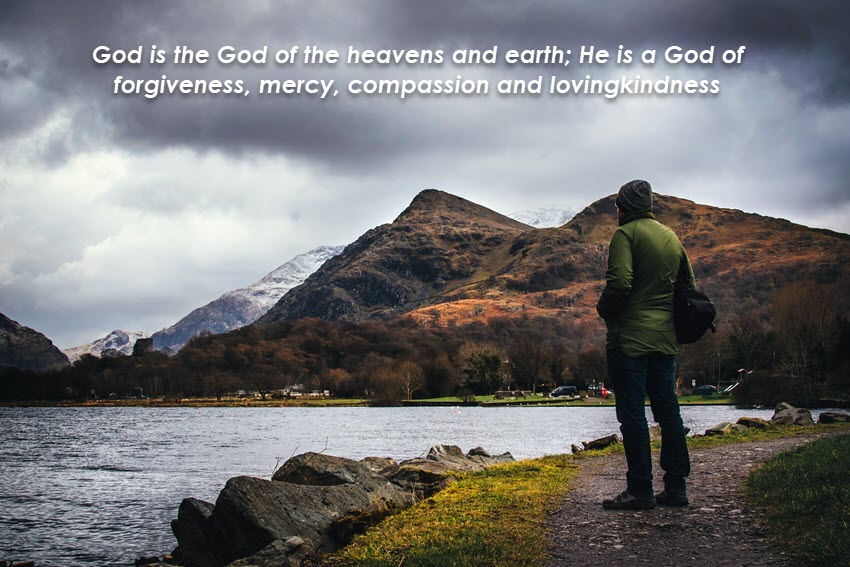
An ‘OUCH’ post!

More than once I have heard, I don’t need to tell anyone about Jesus. That’s the preacher’s job OR I don’t feel comfortable doing that OR I don’t know how.  Is that really the reason? Le’ts check those assumptions out.

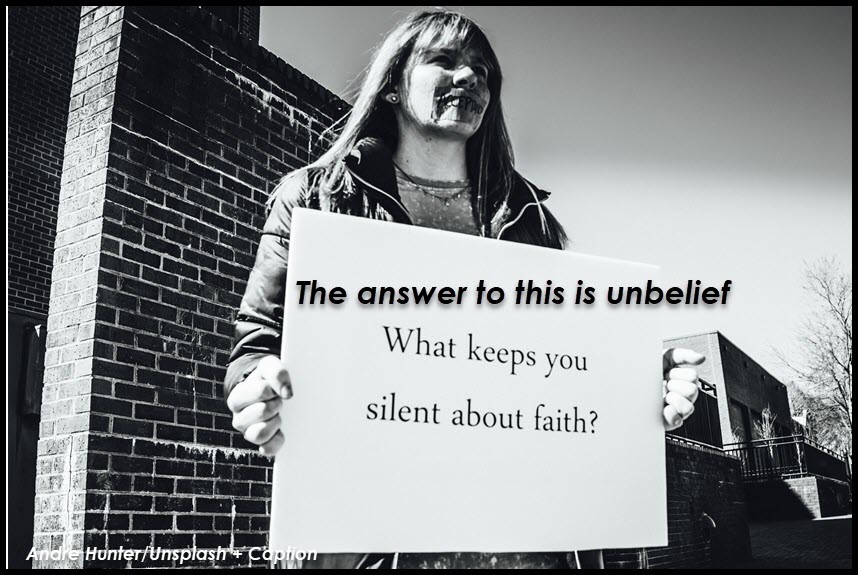
Let’s get down to the nitty-gritty; let’s have a dialog. Let me ask you:  Are you ashamed of Jesus? Perhaps you wonder why I ask? I ask because the psalmist says we will tell the next generation about the Lord and his saving deeds and what he has accomplished. If you don’t tell what does that say? We can’t pass that job off onto the preacher or the missionary. It says “we” will tell. Jesus said to “go and tell.” Perhaps you counter back, well my faith is personal, I don’t share it, I just live it.  These two psalms remove those arguments! We are to tell the whole world about God’s saving grace. God says if we don’t tell, God will hold us accountable for lives who would have chosen Jesus had they heard.

The psalmist says to tell the next generation so that the truth will be shared beyond our lifetime.  We need to do that so they hear from our lips the truth of the gospel message. We also need to do that so that they will not be a stubborn and rebellious people, not committed to the Lord. But, more importantly, if we don’t share what does that say about our love for others? ps 22 and 78a telling good news priscilla du preez unsplash

Psalm 78:6 says to tell the next generation, and they, in turn, will tell the next generation about Jesus. If each generation carries on this tradition, imagine how many souls will hear the gospel? And in contrast, if we don’t tell, how many souls will enter a Christ-less eternity because we have failed in our responsibility?

Today I challenge you to tell someone about Jesus—OR

ARE YOU ASHAMED OF HIM?

“For whoever is ashamed of me and my words, the Son of Man will be ashamed of that person when he comes in his glory.” [ Luk 9:26]


Spending Time with God

Psalm 9 -12 I don’t know about you but life seems to be at warp speed these days. The internet keeps us focused for a fraction of time and authors come and go with lightning speed. We name a name and others look at us with eyes glazed over and ask “Who? Who? Who?” When that happens, come apart and sit with the psalmist. Let his words speak to you, not like the storm-tossed sea, but as a gently rolling wave bringing new truths with each wave. Let the beacon of His lighthouse sweep across you and reveal His love.

psalm 9to 12a

We don’t know where or when the psalmist wrote these words of scripture but as we slowly ponder them we come away knowing that the God we have chosen to serve and worship knows each of us. He knows us because we are crafted in his image. He knows those who will bow the knee and serve him as and he also knows those who will rebel at each argument and command. Yet, in His mercy and for His name’s sake he has chosen to allow the righteous and the wicked to live side by side much like the parable of the tares and wheat.

Today as you live and move in this world be refreshed:  God provides safety for the oppressed. God does not abandon those who reach out for help. God hears our cries for mercy. God rules forever. God’s words are absolutely reliable, untainted as silver that has been refined and purified in the furnace.


Seek God while He may be found…

Job 35-37 We have been following Job and his friends as they respond to his suffering. The young Elihu continues to wax eloquently and finally near the end he poses a question that has been asked for centuries: whom or what do you seek when you are in distress. The world seeks to find help in themselves or other avenues but often leaves God out of the equation. Sometimes they never seek God…read to the end…. It is disheartening when that happens but again we present the truth but the results lay in the hand of the receiver and God.

job 35a

Elihu says it really doesn’t matter, God is God and He is not at all bothered about whether we do good or bad. At that, we want to stop and say “whoa!” Not affected? Doesn’t care? What presumption! Elihu is wrong on both accounts and we need look no further than Ezekiel chapter 20 and you get a very different picture. There the elders come to Ezekiel inquiring about life and wanting to know when this exile will end. What they got must have been a deafening wake-up call. God answers their inquiry with this: “I will not allow you to inquire of Me.”  God was definitely affected.  He told Ezekiel that when men leave God out of the equation He is grieved and broken-hearted—especially when He has called you. Rejecting God has serious consequences and without Him, you are bereft as a boat without a sail.

Elihu is right about one thing: Storms come that we may seek His face and His understanding. He is also right in his description about God: He is all of splendor and more. We cannot attain to Him. God is God and man is man.

The question is will you seek Him or will you be like my neighbor who said, I never needed God in all of my life and I don’t need him now—as he breathed his last.  I thought it was hard enough to hear my grandmother say that but then when my neighbor said that my heart felt like it had been run over with a bulldozer. Men choose their destiny…don’t ever forget that. When you need God don’t be like these two examples. Seek Him while He may be found!

Seeing Beyond

Facing Death in the face is hard for the person facing it and the person beholding it. No matter what, it is harder than hard. We do not want to lose our loved ones or our most precious friends but the author of Hebrews reminds us, death is certain. In those difficult moments, we want to be sensitive, not harsh. Unfortunately, there are the Bildads and Zophars who think they know what we should do to prepare. Ever met them or experienced them? Or worse—-are you one of them? 

Bildad offers his take on wickedness in hopes that Job will see himself in that light. He seems to know that the “king of terrors,” a.k.a. Satan is behind all of this and if Job doesn’t change he will go the way of all wicked men. All of his descriptions are true and graphic. We should stop and wonder why Bildad is so sure that Job fits this category?  How often do we act like Bildad when we can’t get our friend to face “facts?”

Job responds that yes he understands the ways of the wicked and yes he understands that the Almighty weighs in and yes that is the way all of this happens…BUT… you fear the sword—I do not. I know this that even in my deepest moment of crisis, God is my Redeemer and I will see Him face to face one day.

You remain in your fear; I will trust Him who holds my destiny in His hand.

job 18 to 20 destiny is surea

When a dear friend is suffering and they are asking “why,” and you think that death is imminent employ love, not fear.  Don’t assume you know the plan God has for them. Instead, help them cross the great divide by having them look to the Redeemer not the “king of terrors.”  If you aren’t sure of how to do this, take the letter from the Redeemer himself and read it:

He is life, He knows the beginning from the end. He is the resurrection and the life. He has crossed the great divide and He has the answers.

Even in this darkest of times, Job sees the light; he is sure of his vindication but not the when or how.

Send me a note if you don’t know who the Redeemer is; let’s talk. 

Eternal Destiny

Do you find it hard to talk about death? Why is it that we avoid that topic–especially if we are believers? Is it fear? Is the lack of trust? It wasn’t that way for Job or Peter or Paul or Jesus.

job 14 to 17 destiny2a

Job is a man who continues to remain strong in the midst of his three friends’ conclusions of why he is in this ‘mess.’ He is aware of his destiny but isn’t sure of what happens after death. Sadly, there are many today around in our world that also lacks the peace of knowing. They have not heard the words of our Savior nor have they seen the marvelous work that the Holy Spirit does when He comes to indwell the believer. James reminds us that we best not take life for granted. It could be snuffed out at any moment.

Eliphaz will have none of this! He is correct in saying that God judges all corrupt sinners. However, in his analysis he cannot see into the future nor can he see what Job’s destiny book shows. Although Job has reminded all three so-called comforters of this fact, Eliphaz pursues this train of thought without missing a beat. Again he calls Job a windbag of sorts and it is because of him that meditation before a holy God is certain to die.

So how do we face such harsh criticism?  Job gives us a clue when he says; I would try to comfort you. My advocate is in heaven, My intercessor is my friend. My eyes will continue to pour forth my tears to God. I will not give up.

How about you? Are you certain that if death came knocking you would be ready?


Who is God to you?

When was the last time you just sat and pondered God and His character? What thoughts went through your mind?  Read Neh 9; Ask yourself: “Who is God?”


The wall of Jerusalem is completed, the enemies were unsuccessful, the gates are in place and it is time to “party!” Well, no not exactly; it is time to stop and thank God! It is time to listen to His Word! neh 9 17 god isa In fact, as the people listened to Ezra read the word there was no party mentality.  They began to mourn and weep because they realized how they had failed God in the past. Ezekiel reminded his listeners that would be exactly what their future family members would do when they returned to Jerusalem! Ezekiel wrote: “you will remember, be ashamed, and remain silent because of your disgrace when I make atonement for all you have done, declares the Sovereign Lord.” And today as we read in chapter 9 of Nehemiah we see that many, many years later that they knew this truth: “You are righteous with regard to all that has happened to us, for you have acted faithfully. It is we who have been in the wrong!”
We quickly forget how gracious God is and sometimes it takes a rude awakening to help us see that truth! Who is He? The people said: “you are a God of forgiveness, merciful and compassionate, slow to get angry and unfailing in your loyal love.”

That is the God I serve, obey and love…at least that is what I hope is true in your life today.

Add a comment below to answer that question.


How do stories like God killing someone make you feel? Queezy? Sad? God has a lesson for us in how we are to treat him.

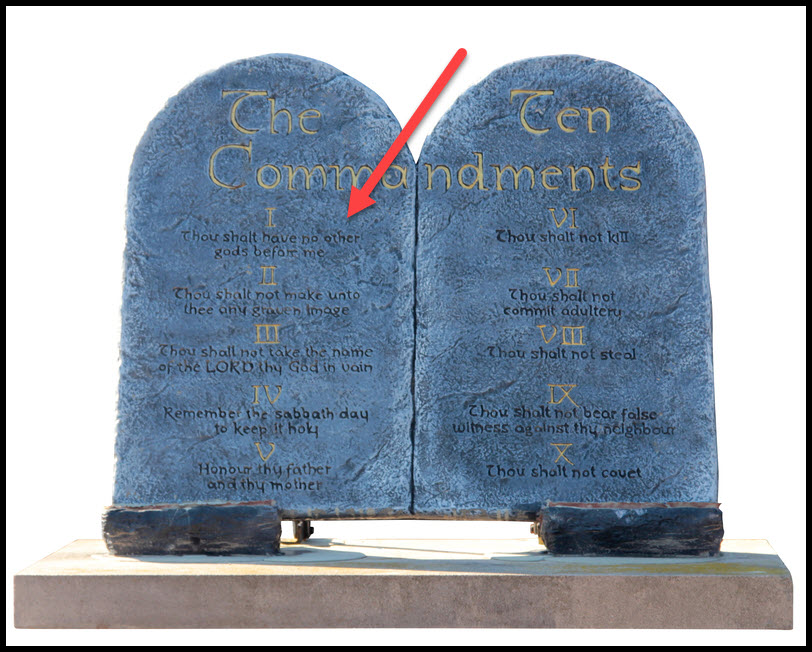
1chron 10 to 13 no other goda

1Chron 10-13  These chapters begin and end in the same way: The Lord killed.

The scripture is plain and clear; death is the enemy we all face once and after that the judgment. Thus the sadness of that statement is overwhelming because of the stench of death is what we avoid. We euphemisms like one has passed, gone to a better place and others, but God simply says He killed.  Do you have trouble wrapping your mind around that statement? Like the world, we fail to realize that God is holy and He is the author of life and death.

Why does God kill someone? 

God killed Saul for his unfaithfulness and God killed Uzzah for the same reason. God is jealous and He is holy and we are to treat him as such. Both Saul and Uzzah treated God carelessly. Because Saul failed to listen to the prophet Samuel and failed to listen to God, God eventually quit listening to Saul. In the end, God finally killed him because Saul’s attitude was irreverent.  Because Uzzah had perhaps come too comfortable with the Ark in his home, he failed to remember that the Ark was the very presence of God. When he reached up to touch the Ark, his irreverence was revealed and God killed him.

Do these two stories cause you to be uncomfortable?

Perhaps it is because we, like Uzzah or Saul, have become too comfortable with God.

The Sin of Unbelief & the Rewards of Belief

2Kings 7 to 10  There are two kinds of people in this world; they either believe what is recorded in the Bible or they don’t believe. You can’t mix in those people who say they believe some of it. Those are still unbelievers. They have one thing in common; they see the evidence but cling to their unbelief. They are those who Paul names as the “excusers.” They look for excuses to not believe even when the evidence is before them. God has no mercy on those and at death, they will join the Luke 16 rich man in torments. It saddens me, how about you?

So what does have to do with today’s reading? The story begins and ends with a man who scoffed at Elisha’s prophecy of the salvation of a city. Lepers find the coats and armor and horses of the enemy left behind; go to the city to report it but the king surmises a ploy. He sends horses and men to check it out and the city is saved. In the end, the scoffer was trampled and died just as Elisha said he would because of his unbelief.

Is there any hope? Yes! God gives us a ray of sunshine in the Shunammite woman who obeyed Elisha, leaving her home to reside in Philistine territory during the famine. After the famine, she returns home to claim her land. In the palace Elisha’s servant, Gehazi just happened to be in the presence of the king and verified her story. The king returned her land and the profit of it during the years she was gone.

Both stories reveal the principle of belief vs unbelief and the rewards or consequences of each. Where do you fit in? 2kings 7 to 10 unbelief

Optimized by Optimole