Do’s and Don’ts

How to have a peaceful home

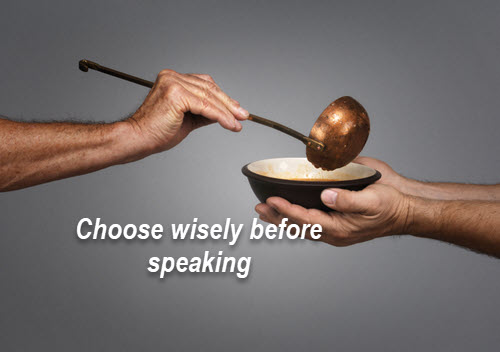
Eph 4 Do you have someone who rubs you the wrong way? There are those who seem to find pleasure in starting factious conversations and actions. How do we handle these kinds of people? Paul gives us some practical ideas all with the purpose of not grieving the Spirit by whom we were redeemed. After a lengthy dialog Paul succinctly says, “You must let no unwholesome word come out of your mouth, but only what is beneficial for the building up of the one in need, that it would give grace to those who hear” [Eph 4:29] How often do our thoughts erupt into words that are displeasing to the Lord? Paul reminds us that to do so grieves the Holy Spirit who has sealed us, marked us out as believers in Christ. 

In light of eternity, how often have we said things we wish we could take back? Paul reminds us that one day we will be held accountable for every word we utter before the Holy Father. Are you ready to do that? Is your speech pure and holy so that when you stand before Him you are unashamed? 

Discernment

Prov 25-26 Similitudes and Instructions

A similitude is a comparison of one thing to another. Solomon’s words in these two chapters are collected into these two categories using the word “like.” Example: “Like apples of gold in settings of silver, so is a word skillfully spoken.” [25:11] Solomon is comparing the beauty of gold and silver to how we respond to another. The point is words spoken at the right time in the right way can be accepted as the view of fruit sitting perfectly aligned on a platter. How fitting are our words to the hearing ear is the point?

Again, vs. 12, “like an earring of gold and an ornament of find gold, so is a wise reprover to the ear of the one who listens.” We know from 2Tim 3:16 that one of the ways God’s word is used is to reprove or to correct that which is in error. How are our words received? How are God’s words received?

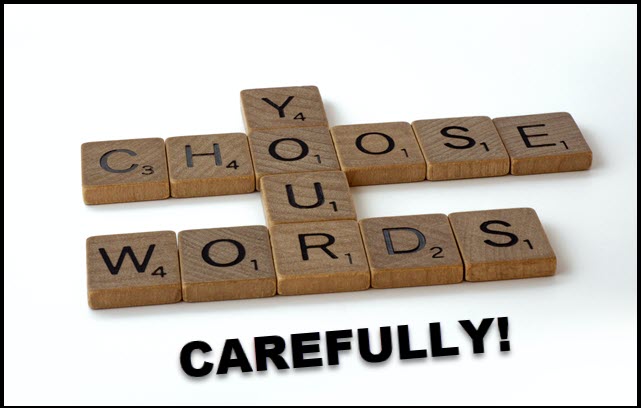
Prov 26 is the view of the wise and the fool. You wouldn’t honor a fool, for he does not understand your words. They must be constantly reprimanded, so choose your words carefully and wisely. Remember this advice from Prov 10  “Wisdom is found in the words of the discerning person…”

The point is that we must be discerning in our words and honoring people. Carefully see what the Spirit is teaching you through these comparisons. Make a list if you desire, and check yourself throughout the day.

I Would See Jesus…..Matthew 9

ImageMatthew has us walk with him as the “Son of Man” encounters those who are in need of healing (disease-death-demon possession). Not only does the “Son of Man” encounter those who need physical healing but those who are in need of spiritual healing. One of the keys that is noted in this chapter is the word “faith.” We read in Luke: “Your faith has saved you;” It is this faith that God sees as He observes our actions, our countenance and our words. This brings us to the first of the healing miracles in Matt 9.

Having been sent from the presence of the Gadarenes, Jesus returns to Capernaum. It is there that we are brought face to face with the first of many healings. Note the circumstance: a paralytic lying on a stretcher. We know from the other gospels that 4 friends of his have taken it upon themselves to bring him to Jesus. This is a first important lesson for us. We too have “paralyzed” friends and we must bring them to Jesus who is the great healer. Secondly, Jesus “saw their faith.” Question to ask: Does Jesus see my faith?

In contrast the experts in the law who came as observers saw not with eyes of faith but eyes of criticism. We too will face those who will say we do not need to bring our paralyzed friends to Jesus. Satan would have us leave them paralyzed and destitute of their needs. But, James notes that we prove our faith by what we do and these 5 men stood apart from the religious leaders bound by legalism.   Note the words of Jesus: have courage. The paralyzed friend needed words to persevere in times when he stepped out in the arena of living faith in the sight of the religious leaders. They took a step of faith towards the Master.  Question to ask: Are we willing to stand apart from those who do not think we need to speak or do? Jesus added that his sins were forgiven. Jesus sees our hearts and needs and this man had a sin problem along with his physical problem.

Jesus noted the reaction of the experts in the law, these who knew the jots and tittles of each and every verse. What they said in their hearts, “he is blaspheming” registered upon their countenance. Again Jesus “saw” their lack of faith; in fact it  was null and void.

The crowd of observers “saw” and were afraid, amazed, and honored God unlike the experts in the law. When we “see” the transformation of a life are we amazed? Do we honor God?

Lastly the Master told the paralytic to take up his bed and walk as a testimony to all that the “Son of Man” has authority. He is the True Messiah. When we meet the Messiah, do we then take up our bed and walk? Matthew now has provided concrete evidence that Jesus is the promised Messiah, he is the
Son of Man and he is the Son of David. Will you accept Him?

Worthless vs Ideal Words [ Matt 12 &Prov 16 ]

ImageI love this picture to the left because it reminds me that even if I am faithless He is faithful.

I don’t know if you can relate but often have I cringed at something I have just said and the verse in Matthew 12 comes back to convict me.  It is then that I am reminded that I do need to more carefully choose what I say so that I am honoring God and my fellow man.

Pro 25:11 Like apples of gold in settings of silver, so is a word skillfully spoken.

Proverbs chapter 16 begins with these words: The intentions/plans of the heart belong to man but the answer of the tongue comes from the Lord;  but Jesus teaches:  Mat 12:36 I tell you that on the day of judgment, people will give an account for every worthless [idle] word they speak. It almost seems that these two sides of the coin teach opposing views. It seems like really we have no choice as to what we speak.  But is that true? We know that God does not contradict Himself. So our question is….Why are some words worthless and how do we harmonize these two verses?

 When men plan/think/reason using the gift that God has given them and trust Him to guide them then the responses we give will be His for we are His workmanship, created to accomplish good works [Eph 2:10]. If however, we refuse to plan, decline to consider, are unwilling to listen to wise counsel, are unwilling to see ourselves in need of wisdom, and allow pride to govern, then our words are idle or worthless and for these we will held accountable. A biblical truth is that God has graciously given us the ability to think and reason. Therefore, it behooves us to ponder and seek that godly wisdom that is given to men who desire His will and way. In that way we will speak and honor Him with ideal words that bring Him glory.

Father, Today may I be certain and give you praise for You because You care about each word, each direction, each decision that I  make. I can know that because you say so: ‘I have loved you with an everlasting love. That is why I have continued to be faithful to you. May I seek your will and your way that we bring glory to you alone. May I  boast that I know and understand that You, the Lord, act out of faithfulness, fairness, and justice in the earth. [Jer 9]

Optimized by Optimole