Believers should be ready!

Are you ready to give an answer?

Zechariah 8 The leaders from Bethel had come to inquire regarding the fasts they had been keeping. Should we continue as we have in the past? God did not directly answer that question of them, but He did tell them what He required. He gave the same answer to Micah and later to James, which is “do good, love mercy and faithfulness and obey God.” James also added to care for the orphans and widows in their adversity.

Instead of directly answering their question, he probed their hearts and saw their hypocrisy. He asked them, “did you truly fast for me…and now are you not doing it for yourselves?” An outward ritual of fasting and keeping the traditions is not what God is looking for. Isaiah had prophesied correctly about their hypocrisy. “You honor God with your lips, [and your fasting,], but your heart is far from Him.”

But, when our heart is pure and righteous, we do that which God loves, and others take note! They wanted to know why God is blessing them. They wanted to know the secret of peace. They heard others saying, “let us go with you, for we have heard that God is with you.”

Are others asking those questions of you about the gospel? Are you ready to give an answer to anyone who asks about the hope you possess?
Laundry Problems Solved

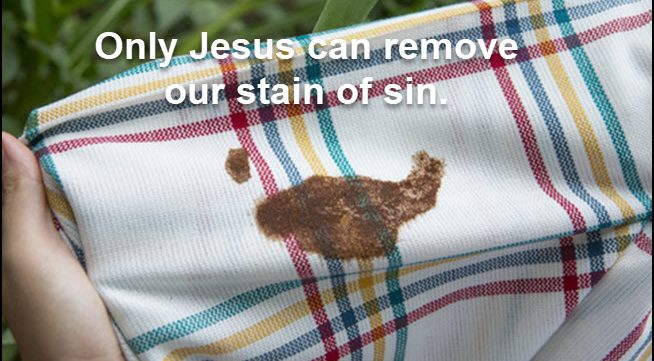
Only Jesus can cleanse

Zechariah 3-6 From Genesis to Revelation, we have learned that Satan is the accuser of the brethren. [Rev 12:10] He continues to accuse even today!  Thus in chapter three, we are given a marvelous symbolic example of what each believer can know about the accuser’s work and how we can be cleansed from sin to receive salvation. As we are, we “have become like one who is unclean, and all our righteous deeds are like a filthy garment.” [Is 46:6] We have a spiritual laundry problem and Satan tries to make us think that our works will make us clean, but that is a lie. “He saved us not by works of righteousness that we have done but on the basis of his mercy, through the washing of the new birth and the renewing of the Holy Spirit.” [Titus 3:5] We are only worthy because of what Christ has done because, like the priest, Joshua, we too wear the filthy clothes of sin. We need a launderer to cleanse us, and Jesus did just exactly that. Jesus is qualified to wear the robe of righteousness because He paid the redemption price for our sinful deeds and heart. Now He alone can rebuke the evil one. If we accept his gift of cleansing, we are now worthy of wearing fine clothing and a clean turban on our head.

 The Lord of Heaven’s armies reminds us we are worthy to walk among the Body of Christ in our new robe of righteousness.

God Loves Our Prayers

God loves a praying people

Zechariah 1 -2 When we read the prophets we come away with our minds swirling because in our 21st century we know we are reading a historical record with implications for our spiritual lives. A new administration under Cyrus allowed the exiles to return to rebuild the Temple. In that time Isaiah prophesied that this was His plan and even named Cyrus as ruler several years before his birth! (Isaiah 44:28)

Both Haggai and Zechariah would remind them that God wanted his people to learn. Learn and do not fall back into what your ancestors did not do. He had sent prophets but they did not pay any attention or listen to them. He offered hope to them if they turned from their evil wickedness but their words fell on deaf ears. Micah had reminded them God would turn and have compassion upon them and cast all their sins into the depths of the sea. Now with this ringing in their ears, they listened and began to confess:  “The Lord of Heaven’s Armies has indeed done what he said he would do to us, because of our sinful ways.” Words of repentance are a sweet balm to the Lord in heaven. He loves to hear of our words: I am sorry and I am willing to obey.

It is then that the floodgates of heaven swung open! “Sing out and be happy!” but also a simple reminder: “be silent in the Lord’s presence…”

“Is God First?”

Is God first?

Haggai 1 & 2 Today, a refrain is heard: I have bills to pay, and whatever is leftover, I may give to the church. But, God is clear; your thinking is backward!  “Bring the entire tithe into the storehouse; Test me and see if I will not open the windows of heaven and pour out a blessing for you until there is no room for it all.” [Mal 3 author’s paraphrase] The point being: when we put God first, He blesses, and as the Israelites were experiencing, the reverse is also true. Is it any wonder then that Haggai came to the people and rebuked them for wrong priorities?  Was it right for them to live luxuriously while the house of the Lord lay in ruins? Then he asked them to consider their priorities.

Haggai’s message was convicting! The people turned and put God first, and then God did just as Malachi said. Their crops rebounded, and their pocketbooks were replenished. God is clear: if I am first, I will be with you, and I will bless you.

“But seek first His kingdom and His righteousness, and all these things will be added to you.” [Matt 6]

Is church and giving to the work of the Lord on the bottom of your list?

Where is God in your priority list?    

“God Always Leaves a Remnant”

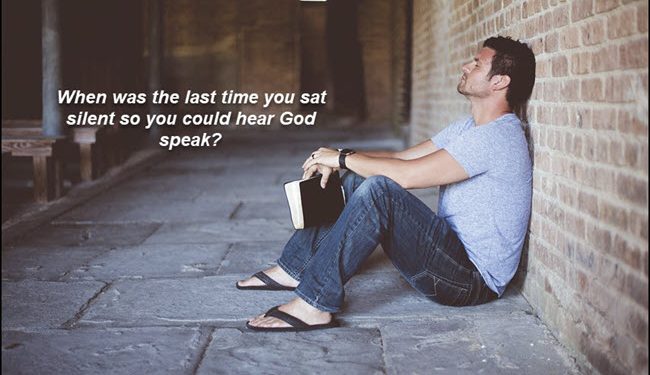
sit silently before the Lord

Zephaniah 1 to 3 A royal prophet to a royal people could be our title for this small book with a mighty message. Instead, this humble prophet chooses not to use his royal influence but to join the peasantry ranks. He was used by God to remind them that when God brings forth his judgment, they need to see themselves as a part of the remnant, which begins with a repentant heart.

Zephaniah reminds the people that unless they move from a stagnant heart to a heart that is alive and well, they will face the same judgments God has planned for idolatrous Judah. It won’t matter if they are of royal blood or not because God looks at every individual’s heart, not their pedigree. Jeremiah had reminded them that His mercies are new every morning; great is His faithfulness, but they must choose. The starting point is the cleansing of their heart, which begins when they choose to be silent before God. Use this time to reflect and repent.

After His judgment,  God will leave in their midst a humble and meek people, a remnant who will find safety in the presence of the Lord. His words will renew them with His love as He shouts for joy over them.

The real question to the people of Judah (and to us) is will we be part of the remnant?

“Where are you God?”

Habakkuk How often have you heard: “God doesn’t answer prayer” or “I tried faith, but it didn’t work.” Beloved know this; those who say this won’t believe even if and when the evidence is presented to them. They are obstinately content to live and walk in darkness. As one of Jeremiah’s contemporaries, Habakkuk teaches us how to persevere. He sifted through the pretense of his own belief and gleaned something that shook him to the core. Even as a believer, he too, was saying: “I can’t believe this is happening!” 

Habakkuk asked, “Why are you allowing this God?” He was brutally honest with God—he even accused God of not working! Yet Habakkuk didn’t walk away but persevered in his dialog with God. The refreshing thing to note is this: God loves us to be honest about how we feel. What other God would allow us to vent our feelings and our questions? And so unlike God’s silence with Job, God answered, “stand still and see me work.” Through his dialog with God, Habakkuk learned three principles:

Only the just will live by faith.

Someday God’s glory will fill the earth.

The Lord is still in his holy temple [Ps 73] and at work.

As Habakkuk’s world was swirling with ungodliness, he stood firm EVEN when he did not understand! Habakkuk determined to “remain stationed on the wall and keep watching so he could see what God says.”

Are you standing on the wall watching for God’s answer or wandering in the darkness?

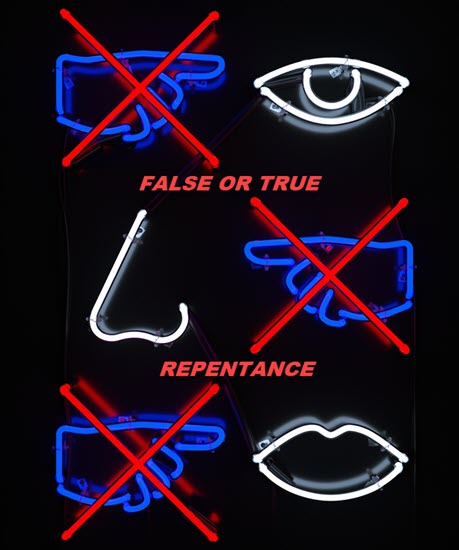
False or True Repentance

Is your repentance true or false

Nahum 1-3  Nahum, the Elkoshite, prophesied to the wicked Assyrians about their short-lived repentance. One hundred years earlier, when Jonah spoke the entire city, both man and beast put on sackcloth and ashes in repentance. But, now, they had returned to their cruel ways. Some today may make a faith profession, but later it is as if they had never heard. Just like the Ninevites, they had short memories. The “message they heard was of no value to them, because those who heard did not combine it with faith.[Heb 4:2]  Although Jeremiah wrote that God’s mercies are new every morning, He will call all accounts due sooner or later.

‘Listen Assyria; God is slow to anger not willing any should perish, but all come to repentance, yet He is also zealous and will avenge His people.  Whereas your king of old repented and you were spared, your new king is indolent and degenerate. You are ripe for enemy nations.’

Just because you think it won’t happen doesn’t mean it won’t. Assyria was destroyed, and their idols burned. Scoffers say to us: “where is the promise of his coming? It is as it always has been.” [2Pet 3:4]  Amazingly, in 1845, an archaeologist stumbled upon Nineveh’s site and found an extensive library proving Nahum’s words were true and accurate.

Beloved, God is merciful, but He will be patient just so long. If Jesus were to return today, would you be ready?

“What God Requires”

God's requirement

Micah 5 to 7 Micah was a simple peasant whom God chose to speak to His people because He had a complaint against them. Micah told them that God would contend with them because they followed Balaam, whose way was tainted by the love of money. God  told Micah to ask them this question: Have you forgotten how I redeemed you from bondage? That is a good question for us to ask ourselves as well. What drives us to be faithful? The author of Hebrews says: “Oh, that today you would listen as He speaks! Do not harden your heart.”[Heb 3:15]

Our gracious God has given us some simple tests to show that our heart is right. The psalmist says start here: “Create in me a pure heart” [Ps 51:10]  The prophet Micah tells the wayward Israelites that God has not made it hard! “He has told you, O man, what is good, and what the Lord really wants from you: He wants you to carry out justice, to love faithfulness, and to live obediently before your God.” [Mic 6:8NET]

Micah then extols the attributes of God! He pardons iniquity and He passes over the transgressions of the remnant of His heritage. He doesn’t retain His anger forever, He delights in mercy, and He will have compassion again.

That is the God who loves us; will we love Him in return?

“Puns”

choose wisely

Micah 1 to 4: Why has God used this prophet during the reigns of four unfaithful kings? Like many prophets and the author of Hebrews, God uses him to call us to remember from where we have fallen and repent.

 Micah was sent to a people who were not faithful to Jehovah. He used puns to share God’s word. Yet, even with that, the people and their leaders did not listen or change their ways. What does God have to do with us to get us to pay attention and change our ways? Ray Stedman writes: “Micah took the names of the cities and shared what God was showing him. For example, “Tell it not in Gath, weep not at all” Gath means “weep,” and the prophet plays on that name. Here is how it would read: “In Weep Town, weep not; in Dust Town, roll yourself in the dust.” (Bathleaphrah means town of dust.) “In Beauty Town, beauty will be shamed.” (That is the meaning of Shaphir—beauty.) “In Zaanan (which means march) they’ll march not forth.”

God is sending both nations a warning. The author of Hebrews does the same. The message is: “Don’t harden your hearts!” God wants soft hearts, purity, and righteousness, but like people today, who only call on God when circumstances are grave, Micah is saying just like Joshua: “choose today whom you will worship.” 

Optimized by Optimole